Sustainability
To ensure sustainability, Gulf Food Production Factories “Rawa” operates based on several pillars aligned with its strategic vision in this field, including:
Corporate Governance
The management of Gulf Food Production Company “Rawa” recognizes that achieving long-term success in any business fundamentally depends on adopting a strong governance model. In this context, an organizational framework has been established to define how the overall performance of the company is evaluated. This framework outlines the roles of board members in line with their efforts to achieve the company’s success and excellence. It also includes their responsibilities in updating company policies and guidelines, as well as providing technical advice to the executive management regarding strategic matters. Furthermore, the framework clarifies the rules and requirements related to legal compliance and disclosure, as well as the roles and responsibilities of both the audit and remuneration committees within the company.
Integrity and Internal Audits
As part of its commitment to transparency and fostering an ethical work environment, Gulf Food Products Company “Rawa” has taken the initiative to establish clear standards to ensure information security and data protection. The company has also created an independent internal audit department responsible for monitoring compliance with the code of professional conduct and raising employee awareness of anti-corruption efforts. To reinforce integrity principles, the company has activated a dedicated communication channel that enables employees to report unethical practices freely, thereby enhancing trust and professionalism in the workplace.
Environmental Sustainability
Gulf Food Production Company “Rawa” believes in integrating environmental considerations into its operational system to reduce environmental impact and promote sustainable manufacturing practices. To this end, the company implements effective environmental risk management systems, alongside policies and programs focused on environmental health and safety. These efforts help minimize the risks associated with production operations and ensure the safe disposal of waste, preserving the quality of life in communities surrounding the company’s facilities. Moreover, “Rawa” seeks to optimize resource consumption and reduce utility usage, thereby improving its environmental footprint and helping to meet its legal obligations regarding environmental protection.
Operational Sustainability
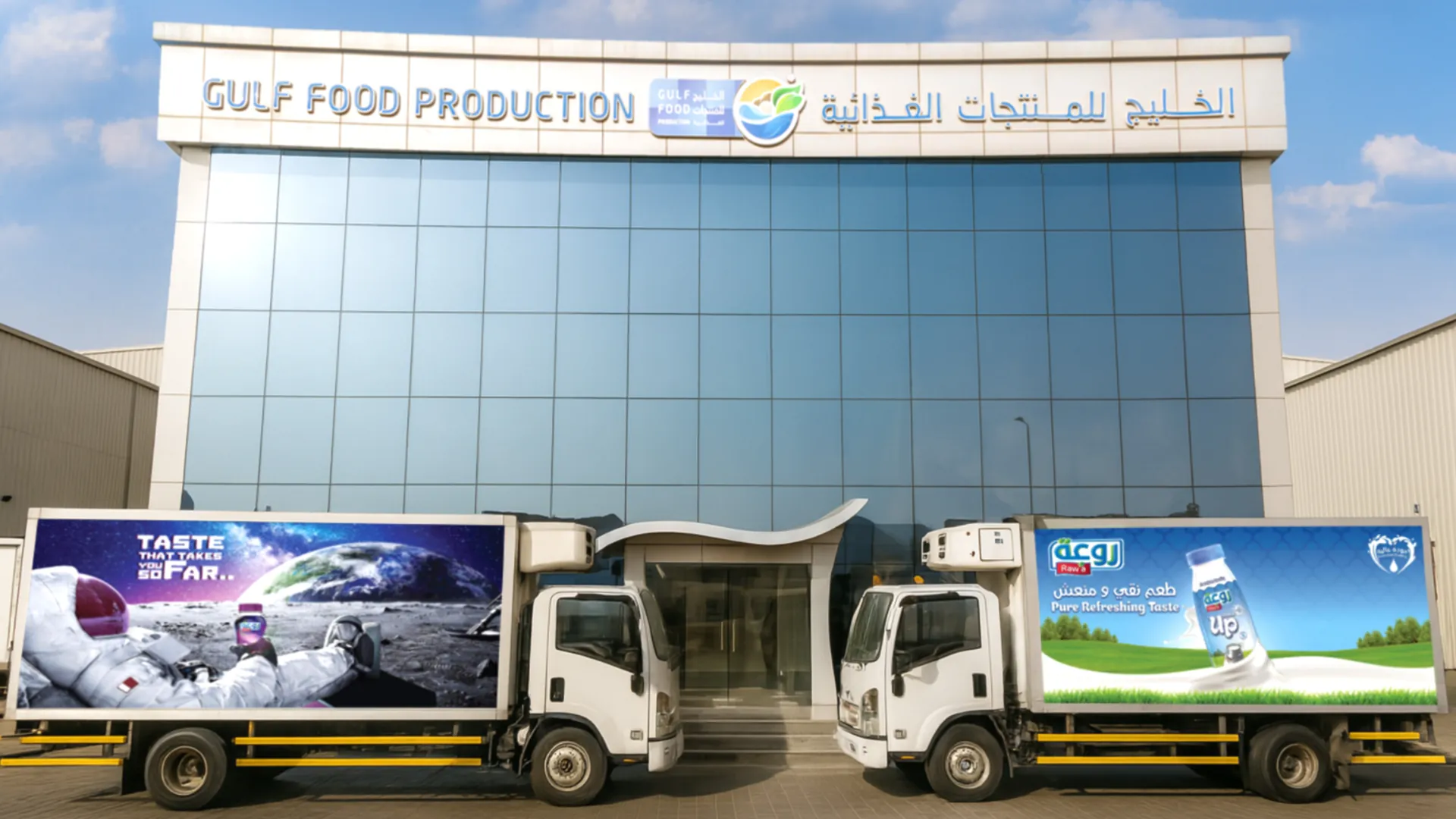
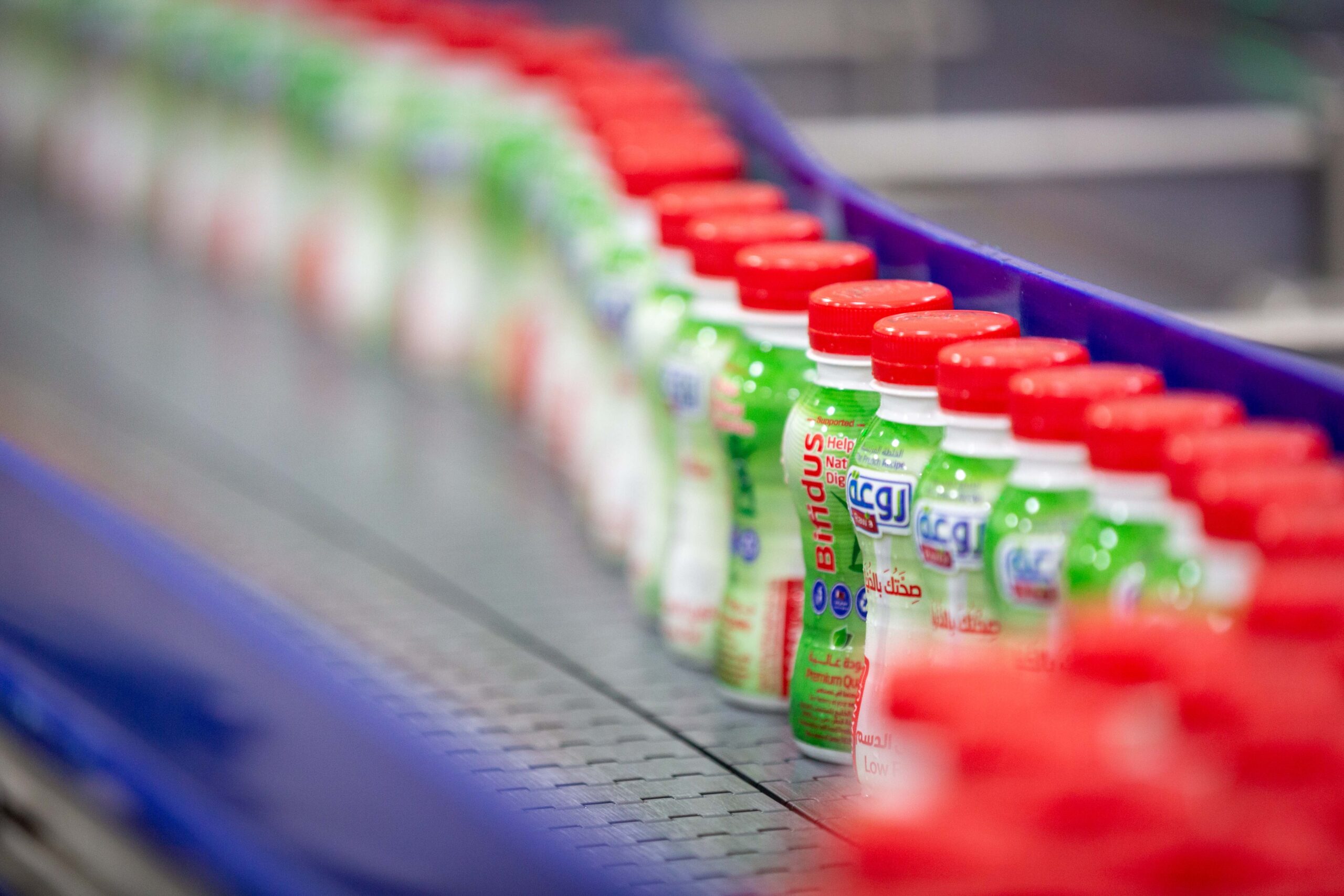
Rawa strategy for achieving operational sustainability is based on three main pillars: increasing profitability, improving employee conditions, and protecting the environment from various impacts. In this regard, Rawa has built all its factories within industrial zones and equipped them with the latest available technologies, keeping them away from residential areas. This enhances the company’s ability to meet growing market demands while providing a safe working environment for its employees. It also facilitates maintenance and factory rehabilitation operations when necessary, contributing to the efficiency and sustainability of operational processes.
Employee Development and Empowerment
The management of Gulf Food Production Company “Rawa” is committed to creating a fair and motivating work environment, ensuring that all employees receive appropriate benefits and compensation, while supporting open communication and freedom of expression. The company strictly enforces anti-discrimination policies and promotes gender equality across all aspects of the workplace. “Rawa” also places great emphasis on enhancing employees’ technical skills through various training programs that support their career development. In addition, the company adopts and applies international best practices, especially concerning occupational health and safety policies and procedures, by implementing effective systems to maintain a safe working environment and monitor any potential violations.
Health and Safety
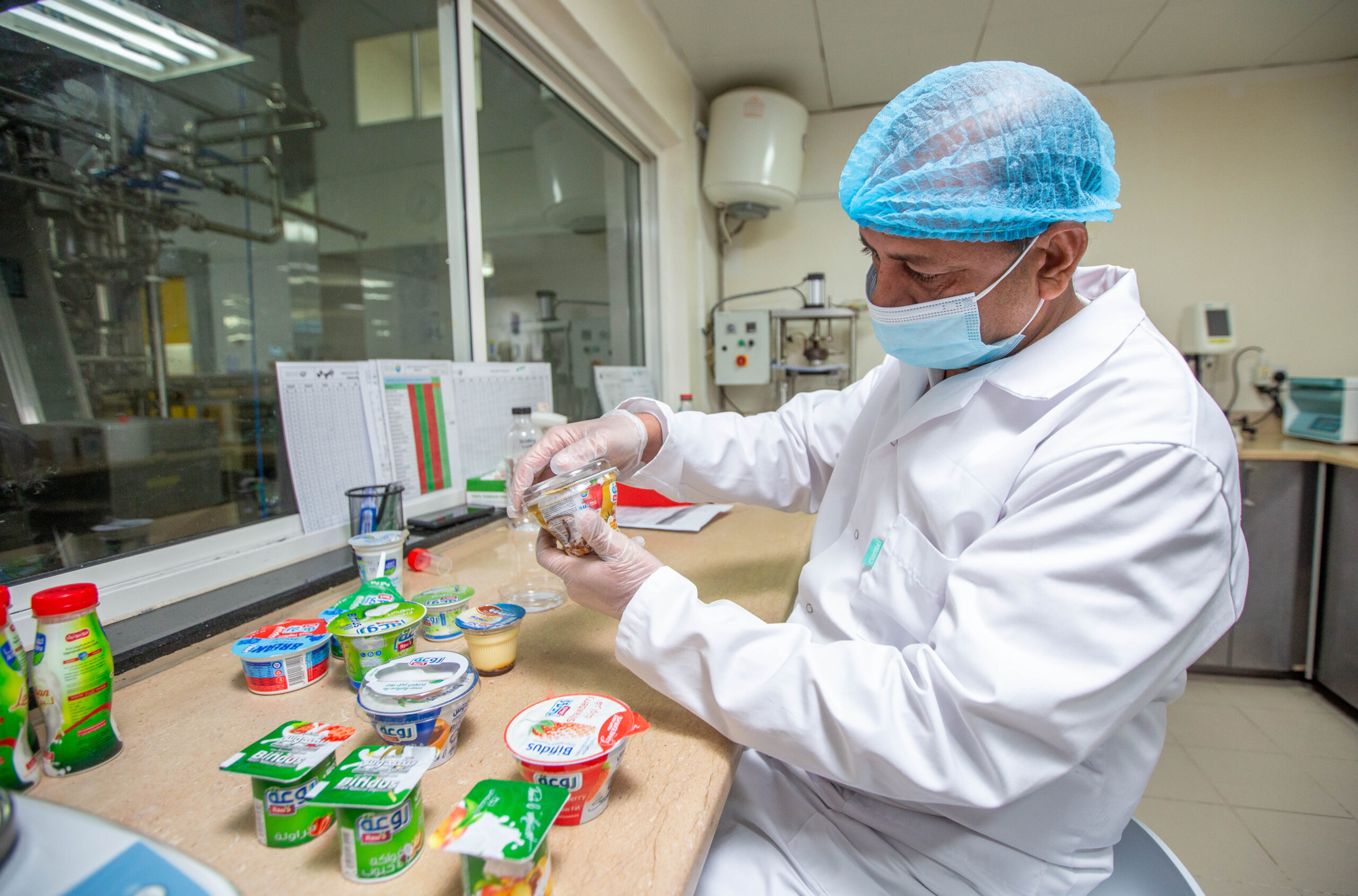
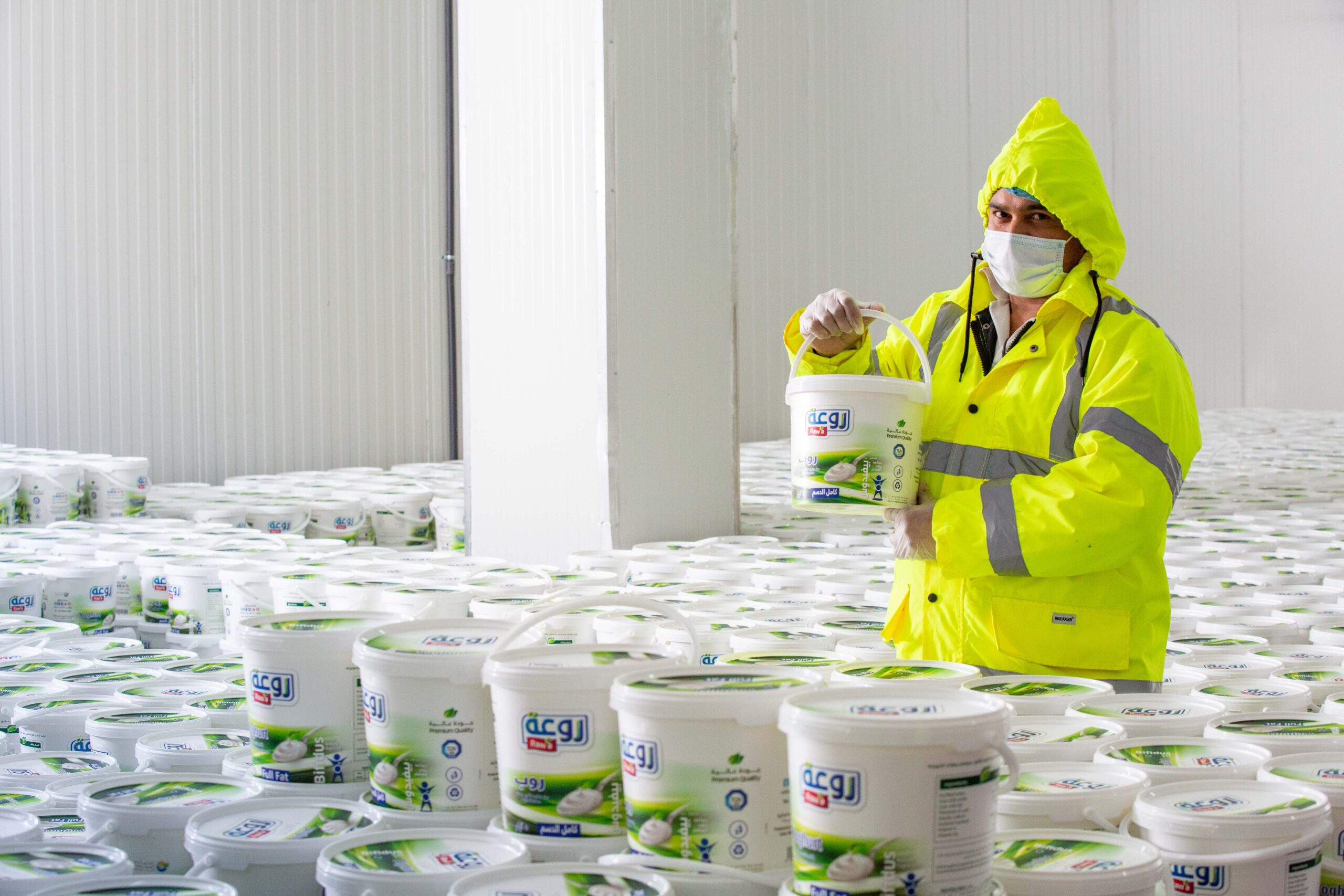
Gulf Food Production Company “Rawa” is committed to maintaining the quality of its products despite changes in the work environment and evolving technologies, based on its belief that product quality is the driving force behind growth. The company’s success in delivering high-quality food products is the result of its adherence to both local and international standards, and its adoption of top-tier quality systems, food safety protocols, occupational safety measures, and environmental management systems integrated across all departments.
In this context, “Rawa” has introduced a comprehensive quality management system to ensure all products meet the highest food quality standards and to provide a safe and healthy work environment in accordance with globally recognized environmental standards. These efforts have resulted in the company achieving the highest level of ISO 22000 certification (Version 6) for food safety, along with “Halal” certifications for all its products and raw materials.
Moreover, the company has developed robust systems and protocols that cover all production stages—from sourcing materials from farms to delivering final products to customers. This approach contributes to efficient data recording and tracking across all production phases, including raw material usage and specific production specifications, thereby ensuring consistent quality and the highest standards of food safety.
Resource Conservation and Recycling
Gulf Food Production Company “Rawa” embraces responsible practices aimed at optimizing the use of natural resources and minimizing waste during manufacturing processes. This is achieved by relying on advanced and rigorous technological systems. The company also places strong emphasis on adopting circular economy principles, working in collaboration with the Qatari Ministry of Municipality to recycle all recyclable products in accordance with international standards and specifications.
In this regard, “Rawa” has begun using innovative, eco-friendly packaging materials such as aluminium pouches, cardboard, and glass as alternatives to traditional plastic. This initiative helps reduce storage space, lower carbon emissions, and contribute to environmental protection in an effective and sustainable manner.